

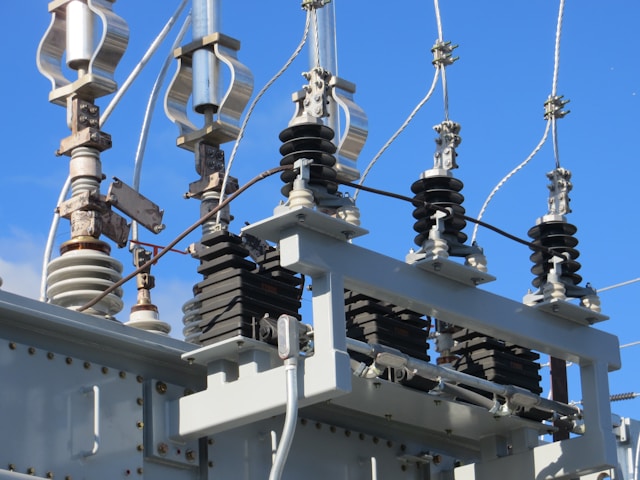
Many businesses need custom solutions in order to meet their unique needs and in this article, we are focusing on custom transformers and how the unique needs of customers are accommodated in the manufacturing process.
Once you have chosen
A manufacturer for a step down, step up, power transformer, Isolation Transformer etc. you need to have a good understanding about the journey towards manufacturing. They will carry out detailed discussions with you so that they can gain a deeper understanding of your specific requirements, objectives for performance and challenges that you need to overcome with this custom order. Some of the details they will ask you in order to get a better idea about your expectations are power ratings, voltage levels, frequency requirements, environmental considerations at your location and size constraints. They will ask about factors that affect the design and functionality of the transformer. They will carry out a comprehensive analysis of your requirements so that they can lay the groundwork for successfully developing a custom solution. After the requirements of the customer have been identified fully, the design and engineering teams will start their work. They will collaborate together to create a custom transformer design that meet specifications set by the customer. Innovative concepts will be explored by the design engineers so that efficiency can be maximised. The manufacturer will keep the customer updated throughout the design process. There is a collaborative approach in this process that will promote transparency and hold the manufacturer accountable for their work as well.

Once the design of the customised transformer is finalised,
The next stage will be prototype development. Here, the performance and functionality of the design will be tested. A small scale version of the transformer will be created in the prototype stage and this makes it easy to evaluate and test the design. The prototype will be tested in a controlled lab environment to check whether it complies with specifications. The manufacturer will test the performance of this scaled model of the transformer under various operating conditions to see whether there are flaws in the design. Advanced testing methodologies and techniques are used by the manufacturer in order to check whether the design meets customers’ expectations. Some examples of these methods are thermal testing, electrical testing and environmental testing.
After the testing is complete
And the prototype has been approved, the manufacturer will start the production of a full scale transformer. They will do this in accordance with the specifications and requirements of the customer. They will keep to the production schedules that were previously discussed with the customer. There are flexible manufacturing processes that allow manufacturing companies to accommodate different sizes, needs and specifications while efficiency and consistency in quality are maintained. This will not change whether the manufacturer is doing a small batch production or a large scale production run. It should also be noted that quality assurance processes will take place throughout the manufacturing process so that the product adheres to industry standards and regulations
