


Forklifts are essential in construction sites, warehouses and industrial facilities. They will facilitate the efficient movement of heavy loads. But there are some risks that are associated with forklifts and forklift accidents can lead to costly damages, serious injuries and even fatalities.
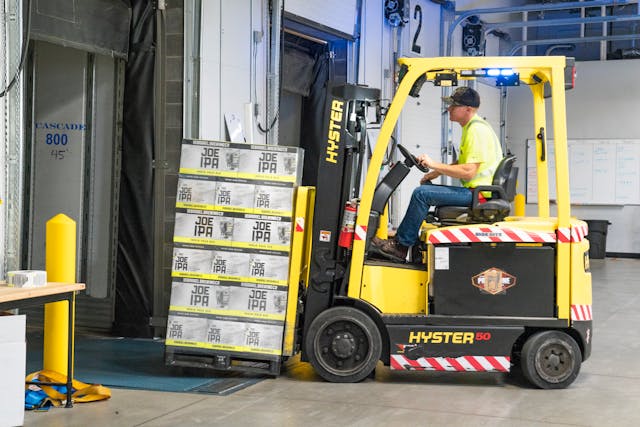
Forklifts can tip over
If they are driven too fast or if they are driven with an elevated load. This can also occur on uneven surfaces. When the forklift is operating in an environment where there are other vehicles and pedestrians, they can be struck by the forklift or its load. Forklifts are operated by trained and experienced operators but this is still an incident that can occur due to limited visibility and blind spots. Sometimes, operators can fall from elevated forklift platforms or pedestrians can be struck by falling objects when the loads are not handled or secured properly. There are collision hazards when the forklifts can collide with stationary objects like walls, racks or other vehicles. And if loads are not lifted or carried properly, it can shift and cause the forklift to become unstable. There is an internal combustion engine that powers the forklift but due to fuel leaks or overheating, this can pose a fire hazard. And electrical forklifts can pose risks due to electrical fires or battery explosions.
It is important to have operator training
They should be trained properly and have forklift certification Perth. Their training will cover how to recognise hazards, safe operation of the forklifts, proper load handling and emergency procedures. There has to be period refresher training carried out so that safe practices can be reinforced. Operators can also learn new regulations or equipment. There has to be pre-operational inspections. Before your shift starts, you need to carry out a thorough inspection of the forklift which includes checking the steering, brakes, tires, lights, controls and horn. You need to make sure that everything is in proper working order. If there are any malfunctions or defects, these should be immediately reported and the forklift has to be taken out of service right away. It can only be brought back after repairs are made.
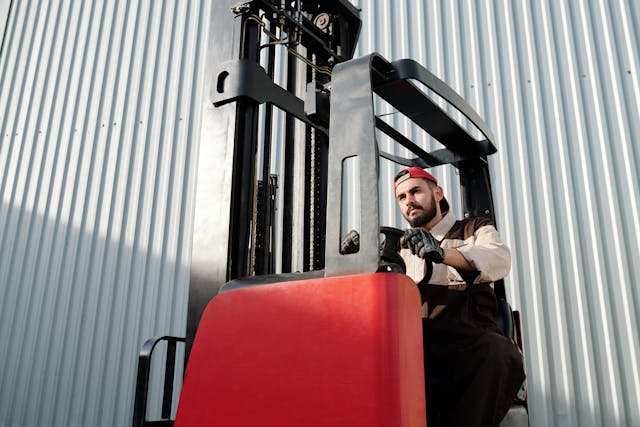
There has to be speed limits enforced in the workplace
This means slowing down the forklift when turning or operating on wet surfaces. The operator should also slow down when visibility is low. There has to be clear pathways designated for forklift traffic and separate walkways for pedestrians. There has to be barriers or markings so that these two pathways can be separated. This will minimise the risk of collisions. When the forklift is approaching a blind spot or intersection, other operators and pedestrians should be alerted by the horn and lights. There has to be functional backup alarms and headlights. Proper loading practices need to be implemented so that the loads are stable and evenly distributed on the forks. Some of the attachments that can be used to secure the loads are fork extensions and load backrests. The rated capacity of the forklift should not be exceeded.
